Chinese traditional culture -- traditional hair accessories
The origin of Chinese hair ornaments can be traced back to the late Paleolithic Period.
Primitive man's interest in hair began because it was inconvenient for production. For such practical purposes, the primitive humans simply arranged the untidy hair, and the experience and beauty generated by the restraint of hair was hazy and unconscious. Then, as time went on, the simple aesthetic consciousness prompted primitive people to decorate their hair with various objects.
According to a large number of hair ornaments unearthed in archaeology, early hair ornaments can be divided into three materials: one is the symbolic fur of primitive animals; Mainly used to protect the head and to better hunt for food by imitating animals. The second is simple processing of bamboo and wood material, shaped like a human hand, more convenient hair. Third, stone, bone and other materials made of beads and other forms of an ornament.
According to people's life needs, the classification of hair accessories is more detailed and clear. The types of traditional Chinese hair ornaments are 笄(jī)、簪(zān)、钗(chāi) and so on
1.笄(jī)
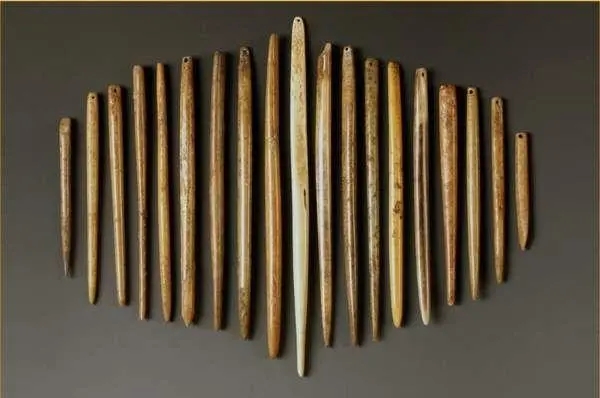
Hatless bone Ji
Bird-shaped bone Ji
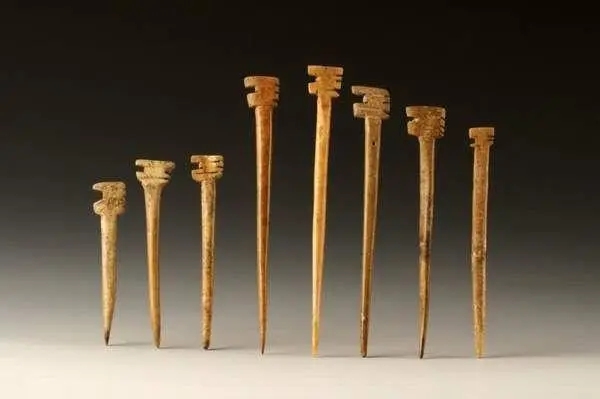
Yin Dynasty ji, hatless bone ji · bird shape bone ji · Neolithic Age Shijiahe culture
Ji as the earliest practical hair finishing article, is the ancient ornaments used for hairpin and crown, is the originator of Zan and Chai. The history of the ji dates back to the Neolithic Age.
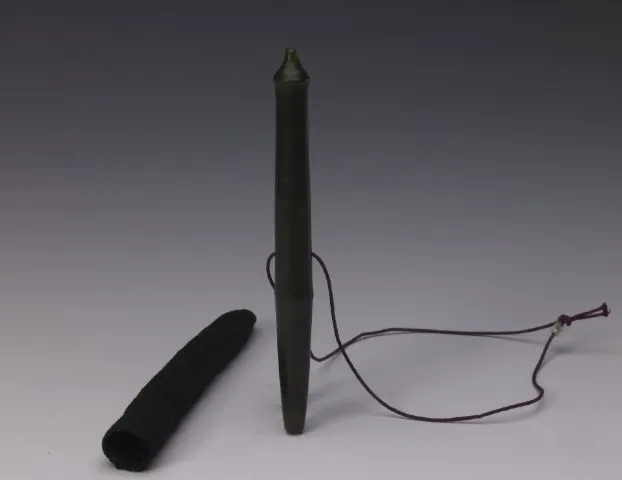
According to records, during the Shang Dynasty, the ji also played an important ceremonial and cultural role, in addition to the practicality of fastening hair buns and crowns. In ancient times, when a woman was 15 years old, she would hold "ji Ceremony", called ji Ji, and comb adult hair to show that they were grown up and could be married. The Ji was also used in ancient times by men, who were regarded as adults at the age of 20 and had to perform a "crown ceremony" with holes left and right on the crown. When the crown was added, the hair-pin was fastened across the bun.
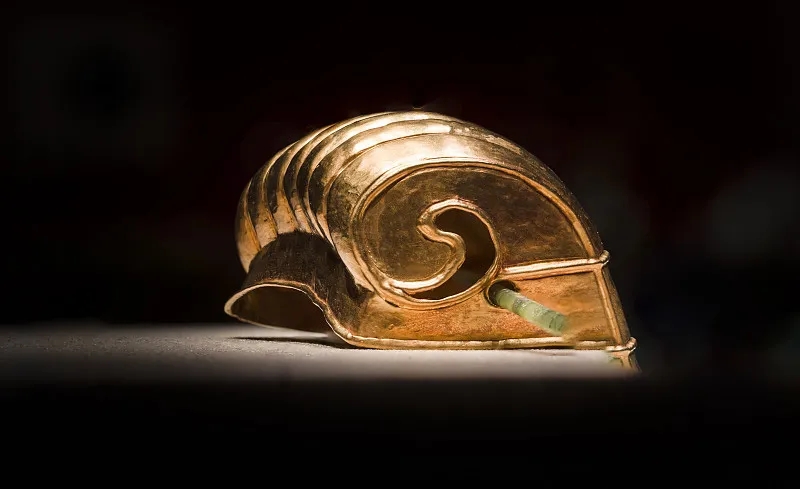
The Ji is relatively simple in shape. It is a long and thin metal with a sharp side and a blunt side. The blunt side is called the first part. The styling decoration of the Ji starts with a simple slender stick and develops to the first with a change of pattern later. The function of the hairpin gradually develops from a functional product for binding hair to a product for decoration with both functions.
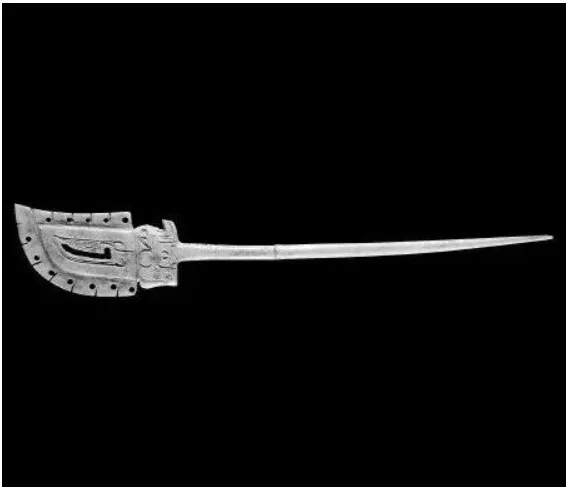
In ancient times, bamboo was the earliest material used for Ji. Besides, there were bone - Ji, jade - Ji, Ceramics- pinning and so on. The forms were vertebrae, t-shaped and cylindrical. With the emergence of a large number of metals, the Ji was later changed to gold, silver, copper and other metals, with thin needles and thick heads, emphasizing decoration and beautification, and evolved into a Zan.
2.Zan
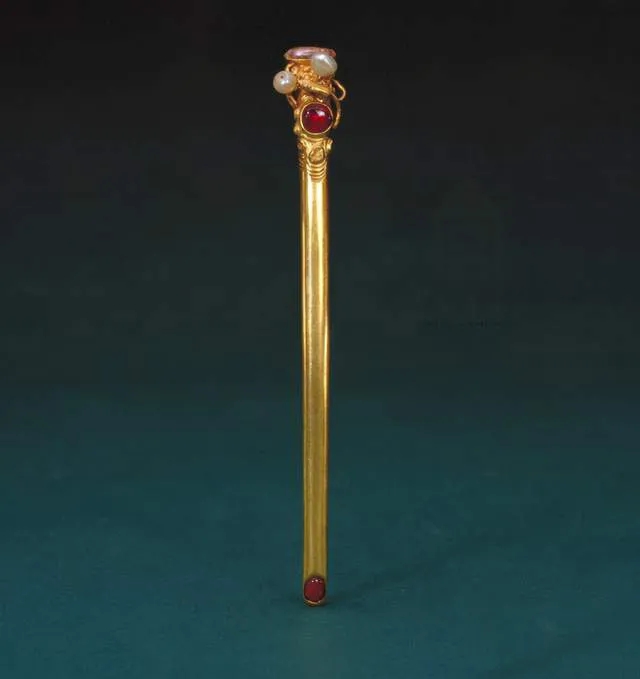
During the Qin and Han dynasties, the Ji called Zan, was a hair ornament for men and women in ancient times. It was a long pin used to tie up a bun or crown.
Hairpins are the most basic fixing and decorating tools in ancient China.
Zan were widely used in the Han Dynasty, through the Wei, Jin and Northern and Southern Dynasties, and were most popular in the Tang Dynasty.
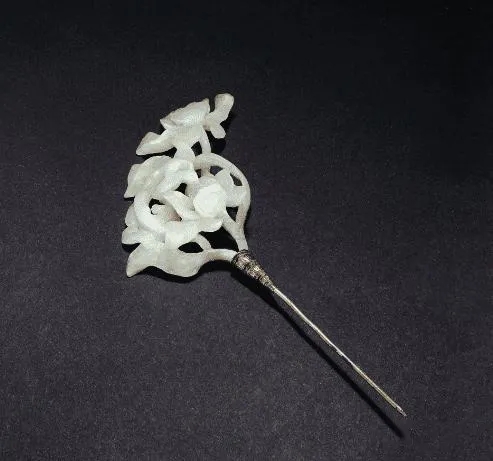
There are two types of Zan. One is a practical Zan, which is used for fixing hairpins and hairstyles. The other category is decorative Zan, which are made of precious materials and made into beautifully patterned Zan, which are specially worn in the obvious position of the bun.
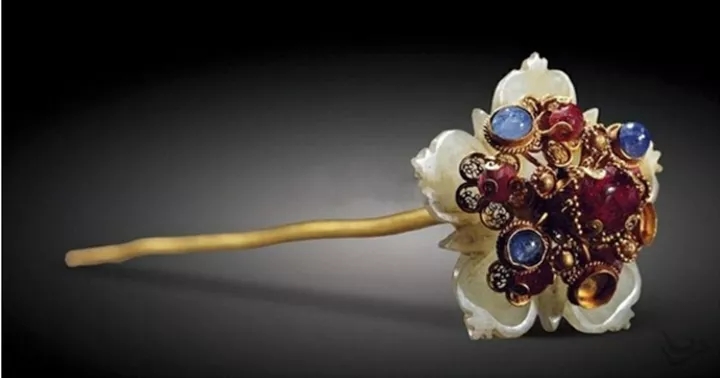
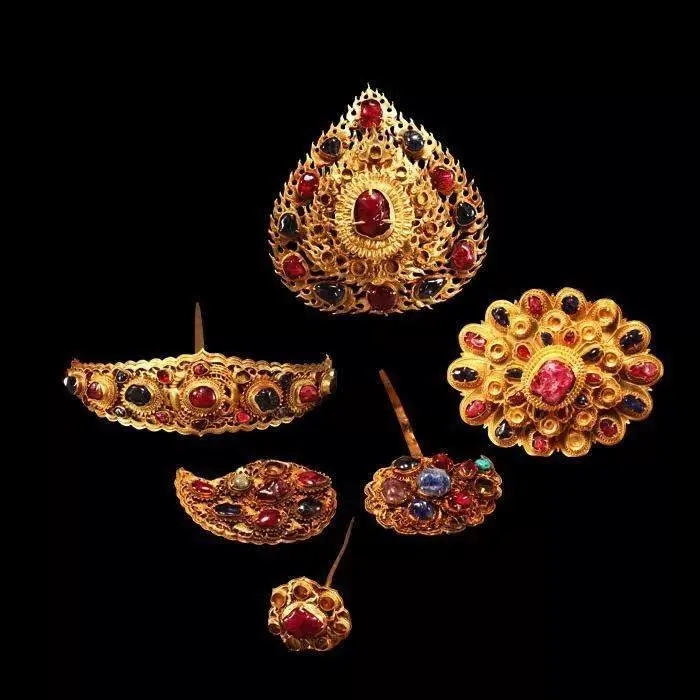
During the Ming and Qing dynasties, most Zan were inlaid with precious stones.
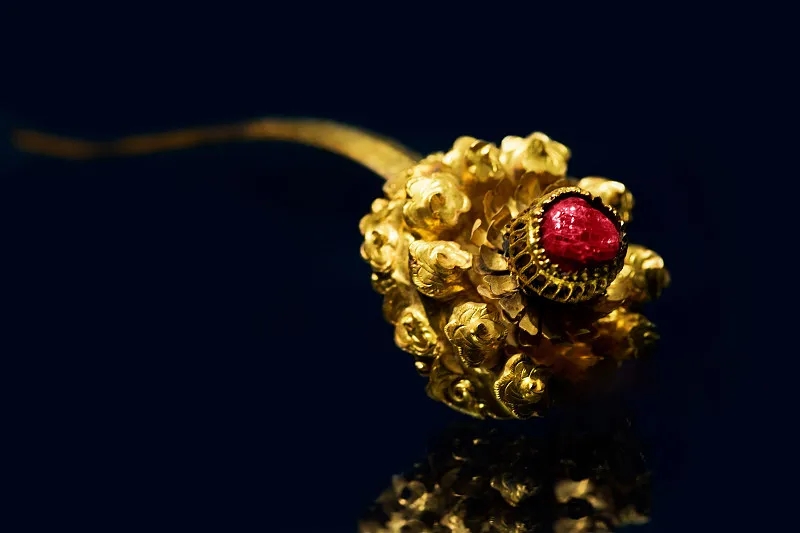
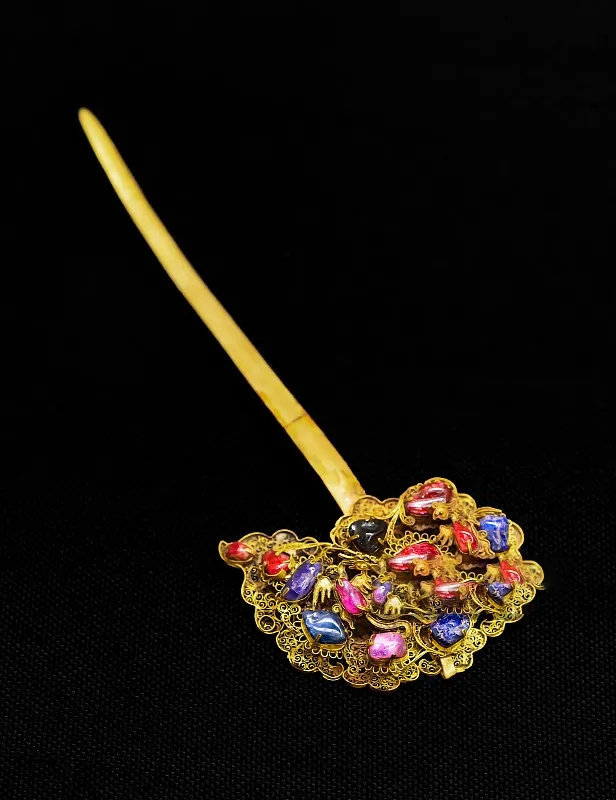
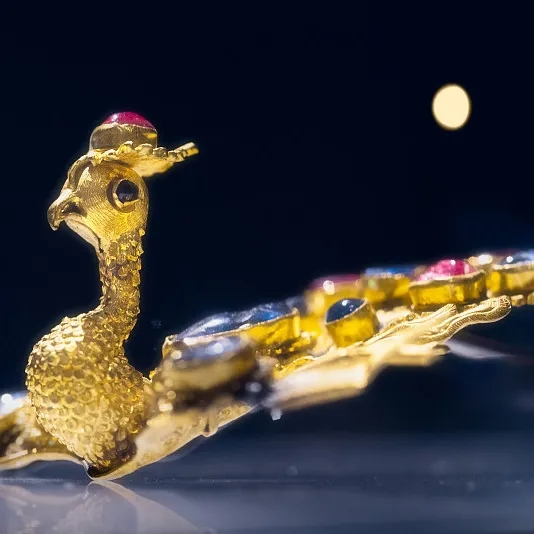
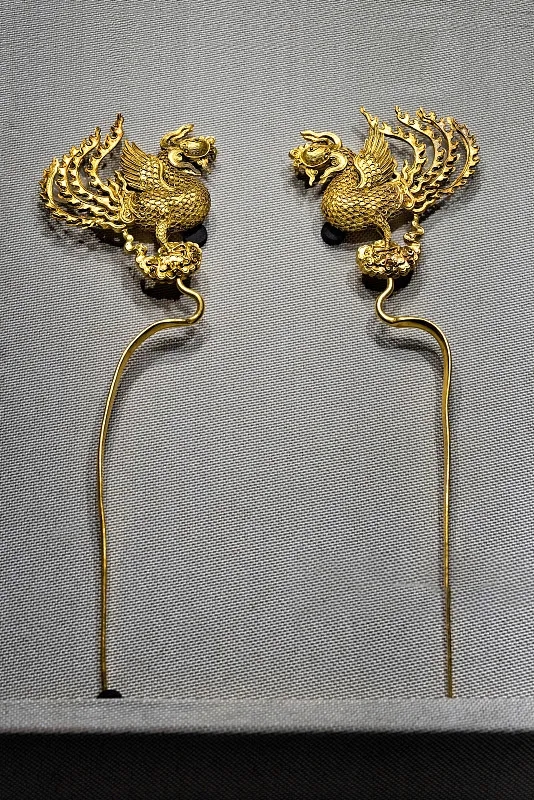
The Zan, made of gold and silver, were often used by emperors and concubines, dignitaries and rich families, and could be called the peak of the ancient Zan. The head of the Zan has carved or woven patterns of flowers, birds and animals, and the tail is needle-shaped for easy wearing.
3.Chai
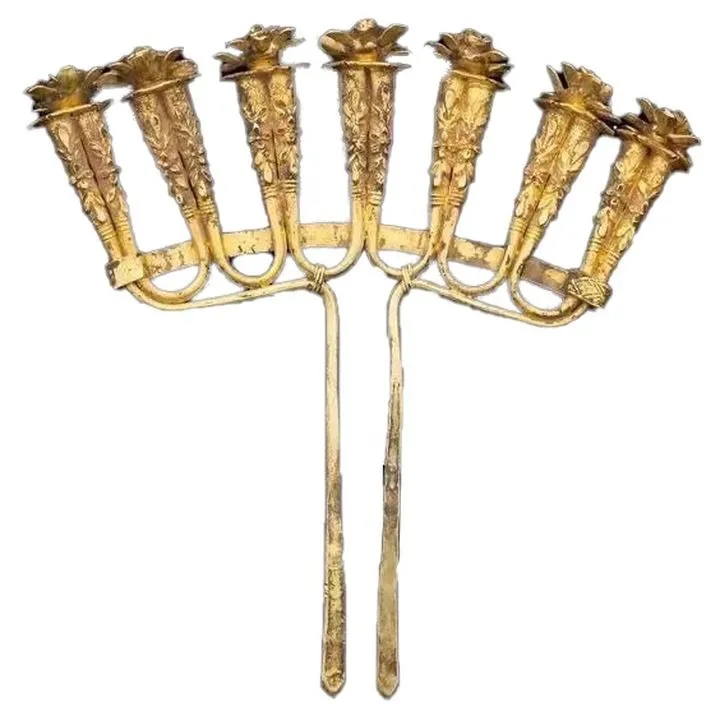
The Chai is mostly made of metal, jade, bone and tooth materials. It is made of double strands and inserted into the hair to play a fixed role.
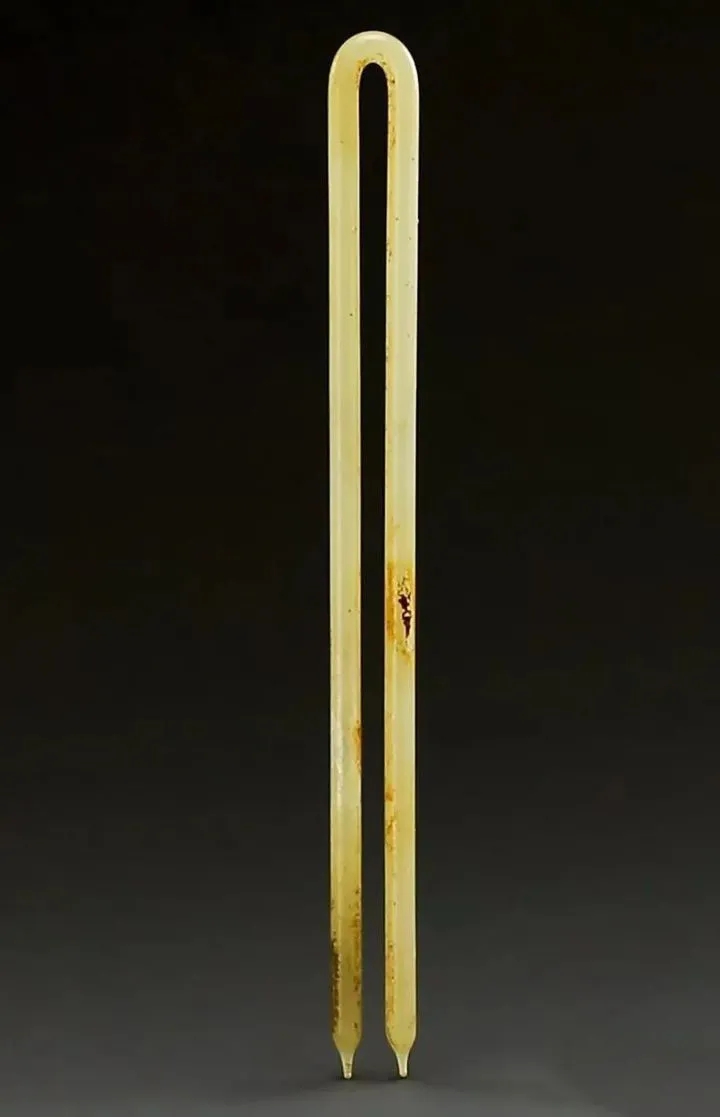
The Chai is not only a kind of ornament, it is also a kind of table of affection. In ancient times, there was a custom of giving other gifts between lovers or couples: women split the Chai into two parts, giving half to each other and keeping the other half for themselves until they met again in another day.
Traditional hair accessories culture is a part of Hanfu culture. With the rise of Hanfu fever, Chinese traditional hair accessories have attracted more attention again. Across the long history of thousands of years, looking back on these excellent handicrafts, we will still be deeply impressed by the aesthetics and wisdom of our ancestors. It seems that through these handicrafts, we can also feel the ancient working people of life that a passion and love.
The charm of Traditional Chinese costumes


评论
发表评论